Dedolight

Lighting is the key to all photography. While elaborate, multi-light setups may appear to be the standard, the creative photographer can produce a seemingly endless range of images using just one light source. This guide is designed to help those beginners out there build the perfect one-light kit for portrait photography.
Why One Light?
I completely understand why multi-light “studio in a box” kits are tempting to beginner and budget-conscience photographers. Why spend hundreds of dollars on one light when you can get three lights complete
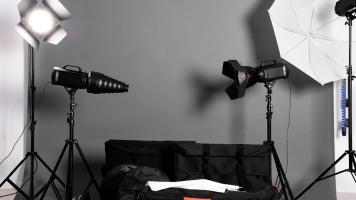
Everyone who has ever lugged around heavy gear has a soft spot for the breakdown studio. They all have in common the barest you'll need to get the job done, are fast to set up and break down, and are lightweight. Of course, there are choices to be made—flash or constant light, for instance. Flash has the benefit of stopping action, while constant sources allow you to see exactly what you'll get in the finished product. Constant light sources include tungsten-halogen (hot lights) that live up to their name, fluorescent, and the current

In this B&H Photo Event Space video, photographer Steve Hansen explains and demonstrates the uses of LED lighting in the studio. LED lights enjoy the advantages of being continuous and daylight-balanced, which makes them ideal for still and video applications. Hansen discusses the pluses and limitations of LED lighting, how to expose for LED lights, and how to maximize the attributes of LED lighting systems when shooting commercial still-life photographs in the studio.