Photography
- Recently Added
- Popularity
- Name
About 1234 filtered results

Posted
Now that you understand your camera from Part 1, the next step is understanding what makes a good photograph. Derek goes over some of the core elements of photo theory, composition, perfective, and storytelling.
0:00 - Intro
5:05 - Review of what makes an effective photograph
5:47 - Composition
12:54 - Rule of thirds
18:37 - Golden/Fibonacci spiral
23:47 - Leading lines
32:59 - Negative space
38:29 - Asymmetry
41:52 - Frame within a frame
43:10 - Patterns/Repetition
44:34 - Perspective
55:01 - Storytelling - Photo breakdown
1:15:29 - Photo

Posted
Internationally acclaimed wedding photographer Corbin Gurkin talks about the importance of lighting. Learn how to transform everyday details—like invitation suites, heirloom jewelry, and floral accents—into iconic visual narratives.
0:00 - Intro / About Corbin
6:31 - Why lighting matters
9:45 - Gear kit
12:10 - Using constant light at events
20:28 - Emulating natural light
26:29 - Must have kits
38:00 - Corbin's courses
37:45 - Q&A break
49:55 - Lighting demo: Tabletop
1:03:22 - Lighting demo: Jewelry
1:16:41 - Lighting demo: Invitation

Posted
Whether you’re a first-time shooter or you’re looking to take your work to the next level, we’ve got you! In Part 1 of our new photography series, photographer Derek Fahsbender walks you through the basics, from camera settings to photo theory, setting you on a path to creating images you love.
0:00 - Intro
1:56 - About Derek & B&H Event Space
6:22 - What makes an effective photograph?
20:58 - Different types of cameras
42:10 - Understanding lenses
1:03:58 - Sensor sizes
1:21:25 - Camera modes
1:27:10 - Exposure triangle -

by Mathew Malwitz · Posted
As you begin to experiment with exposure, you’re likely to find many creative tricks. For example, one of the most visually stunning compositions you can capture is one where moving water is blurred while the rest of the scene remains tack sharp. You know the look. It’s a much sought-after effect that is quite easy to capture, once you know how. In order to achieve this look, your exposure must go on for a

Posted
Today’s mirrorless cameras offer many advanced features that are often overlooked by users. Join Russell Graves as he goes over some of the more obscure features in today’s mirrorless market.
0:00 - Intro
2:15 - Making the switch to mirrorless
6:40 - A short disclaimer
10:37 - View options
15:03 - Bright monitoring
19:14 - The function button / Q button
22:45 - Camera control app
29:10 - Built-in intervalometer
36:53 - Manual focus assist
42:16 - Bulb timer
47:26 - Crop mode
54:44 - Closing thoughts
55:25 - Q&A
Posted
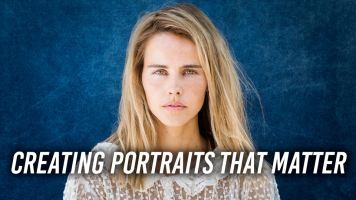
Sony Artisan of Imagery Chris Orwig explores a modern approach to portraiture, giving you the foundational understanding you need to build valuable skills and develop as a portrait photographer.
0:00 - Intro
3:50 - About Chris
4:41 - How has photography changed?
14:52 - Why does portraiture matter?
19:46 - Portraiture is a process
21:53 - Portraiture is historic
23:53 - Is traditional portraiture dead? / Future-proofing
26:29 - Expand & build upon what you already know
31:28 - You can't tell stories with AI
38:26 - How the market has

by Mathew Malwitz · Posted
Weddings are fast-paced events for photographers, and there’s so much to do. From portraits of the bride and groom to family formals, there’s much to cover, and we haven’t even scratched the surface yet. While all focus is on the bride, groom, and their families, there’s a lot of behind-the-scenes material to capture. As wedding photographers, you need to wear many hats, and that includes landscape, food, and product photography.
Proficiency in photographing product is a must, as there are many details and accoutrements to photograph

by Mathew Malwitz · Posted
Composition in photography refers to the way in which we arrange visual elements in an image. It's how we position the subject in the frame and how all elements combine to create a visually appealing photograph.
All photographs © Mathew Malwitz
Expensive cameras and long lenses can only get us so far. It's not the gear that makes the photo, but the photographer. A creative and observant eye is the key to making visually pleasing photographs. These skills can be learned, and with practice, you'll be well on your way to creating strong

by Mathew Malwitz · Posted
Any place in the world can be a photo destination in the winter, but the general idea is to explore a few locations that offer wonderful photographic possibilities in winter that they might not offer in summer. We want to make use of all that snow and everything else the cold temperatures have to offer. After all, we can enjoy the warmer weather come spring. We can always blend in a bit of that warm escapism we all crave after a few months of short days, snow, and cold.
Lake Reschen and South Tyrol, Italy
The Tyrol region of northern Italy and

by Mathew Malwitz · Posted
When it comes to improving your wedding photography, you're likely to hear a lot about gear. We've done our fair share of these gear guides from using fast lenses to complicated lighting set ups. Now, we want to talk about techniques you can use to up your wedding photography game.
Let's take a step back and return to the basics. In this guide, we're going to look at five simple things you can do to up your wedding photography game. These tricks will aid us in both our understanding of the job, marketing ourselves, and client relations.
Be

by Mathew Malwitz · Posted
As photographers, we are faced with a wide array of lighting conditions, ranging from bright sunlight to dimly lit interiors. Using ambient light as your main source is often preferable; however, in a situation such as an event or portrait where time is of the essence, you will need to know how to properly expose all these varying scenes using both natural and artificial light sources.
Being resourceful with your lighting setups lends greater efficiency, and having a lighting system you can easily move from one situation to the next quickly is

Posted
It's the dead of winter, and you're probably dreaming of photographing birds somewhere warm. But what if we told you that you could take advantage of your local area, be it a park or your own backyard. Matt is in the field to demonstrate how he finds birds, how he chooses his settings, and more.
0:00 - Why Winter Bird Photography?
0:35 - Free Birding Apps
2:50 - Best Lighting for Bird Photos
3:26 - How to Find and Photograph Birds
9:03 - Bird Baths and Habitats

by Mathew Malwitz · Posted
Despite what you might have seen on the internet, you don’t need all the money and time in the world to photograph wildlife. Sure, an African safari would be nice, but it is by no means the only way to capture stunning images of wild animals. In fact, regardless of where you live, odds are there’s a vast ecosystem that likely goes unnoticed. If you have trees in your neighborhood, you’re off to a great start.
What You Need to Photograph Wildlife
While gear plays a crucial role in our ability to photograph wildlife, it isn’t everything. In this

Posted
Get the best photos with your first camera lens, aka a kit lens! As a beginner photographer or video creator, you probably have so many questions. What mistakes should I avoid? What camera settings do I use? What does shallow depth of mean, and is it better than a deeper depth of field? How do I make sure my camera is always focusing on my subject? What kind of in-camera effects can I accomplish? Matt answers these questions in this tips video.
0:00 - Intro
0:50 - Photography Tips
6:11 - Video Tips
11:37 - An Important Tip

Posted
Getting started in photography can be overwhelming. With so many tutorials out there, where do you even begin? Do you need an expensive new camera? What are the rules of photography? Take a deep breath—we're here with a new educational photography course. In this episode, Sam discusses tips for new photographers to give you a place to start.
0:00 - Overview
0:28 - What Is Photography?
0:42 - How to Find Inspiration
1:18 - What Do You Need
1:46 - Composition Tips
3:26 - Storytelling: Creating a Gallery
4:30 - The Most Important Rule of All